
Use Cases · Department
Find the signal inside every choice.
From marketing and product to engineering, finance, and HR, Polst brings real audience perspective into the room before any team commits.
Decision intelligence for
Marketing Decisions
The Decision Risk
Campaigns launch on intuition. Creative gets approved in a conference room. Messaging is tested after the budget is spent.
Why Current Tools Fall Short
Surveys take weeks and cost thousands per question. Social listening tells you what people said, not what they would choose. A/B testing only works after you have committed to a direction.
How Polst Changes the Outcome
Polst layers sentiment capture onto your existing channels so your marketing team can test creative direction, messaging, and campaign concepts with real audience feedback in hours, not weeks. See what resonates before you commit a dollar to media.

Decisions this team can validate
- arrow_forwardTesting two headline directions for a product launch
- arrow_forwardValidating brand positioning with target demographics
- arrow_forwardChoosing between campaign creative concepts
- arrow_forwardMeasuring audience preference for seasonal messaging
Decision intelligence for
Product Decisions
The Decision Risk
Feature roadmaps are shaped by the loudest voices in the room. User research backlogs stretch for months. By the time you validate, the market has moved.
Why Current Tools Fall Short
Usage analytics show what people did, not what they wanted. NPS scores tell you satisfaction, not direction. Customer interviews are rich but slow and unscalable.
How Polst Changes the Outcome
Polst gives your product team an always-on sentiment layer to hear directly from users through the channels they already use. Validate feature priorities, test UX choices, and de-risk your roadmap with explicit preference data.

Decisions this team can validate
- arrow_forwardPrioritizing next-quarter features with user voting
- arrow_forwardTesting onboarding flow options with real users
- arrow_forwardValidating a new feature concept before engineering investment
- arrow_forwardGauging demand for a pricing tier change
Decision intelligence for
Sales
The Decision Risk
You are about to launch but the positioning feels uncertain. The name tested well internally but you have never asked the market. Your sales motion assumes a persona you have not validated.
Why Current Tools Fall Short
Focus groups are slow and expensive. Internal consensus is not market validation. By the time research comes back, the selling window has closed.
How Polst Changes the Outcome
Polst validates positioning, naming, packaging, and audience targeting before your sales team spends a quarter chasing the wrong buyer. Get real-time reads from the people who will actually buy.

Decisions this team can validate
- arrow_forwardTesting three product names with your target audience
- arrow_forwardValidating sales messaging across segments
- arrow_forwardChoosing between channel strategies based on buyer preference
- arrow_forwardTesting partnership positioning with end users
Decision intelligence for
Engineering
The Decision Risk
Engineering commits sprints to features shaped by the loudest stakeholder. Technical trade-offs get made without knowing which experience users actually prefer, so rework piles up after ship.
Why Current Tools Fall Short
Analytics show what shipped, not what users wanted. Bug reports tell you what broke, not which direction to build. Discovery cycles are too slow to inform the decisions engineers make every week.
How Polst Changes the Outcome
Polst gives engineering teams a fast, structured read on user preference before code is written. Validate flows, defaults, and technical trade-offs so effort lands on the version people will actually choose.

Decisions this team can validate
- arrow_forwardChoosing between two interaction patterns before build
- arrow_forwardValidating sensible defaults for a new feature
- arrow_forwardPrioritizing performance vs new functionality with users
- arrow_forwardTesting a migration or redesign path with active users
Decision intelligence for
Customer Success
The Decision Risk
You redesigned the experience based on last quarter's survey data. But customer preferences shift faster than your research cycle, and by the time you act, the moment has passed.
Why Current Tools Fall Short
Annual NPS surveys capture a snapshot, not a trend. Customer advisory boards represent a fraction of your base. Support tickets tell you what broke, not what customers wish existed.
How Polst Changes the Outcome
Polst lets customers choose what matters most to them in real time. Act on what they actually prefer today, not what they said in a survey six months ago.

Decisions this team can validate
- arrow_forwardLetting customers vote on the next loyalty program perk
- arrow_forwardTesting new service options before rollout
- arrow_forwardGauging satisfaction with a recent experience change
- arrow_forwardValidating a new self-service feature with active users
Decision intelligence for
Finance
The Decision Risk
Pricing and packaging were set on competitive benchmarking and internal modeling. Finance owns the number but the audience has never been asked directly how they perceive value.
Why Current Tools Fall Short
Conjoint studies are expensive and time-consuming. Pricing pages get A/B tested after launch, not before. Internal committees optimize for margin, not for how the market actually thinks.
How Polst Changes the Outcome
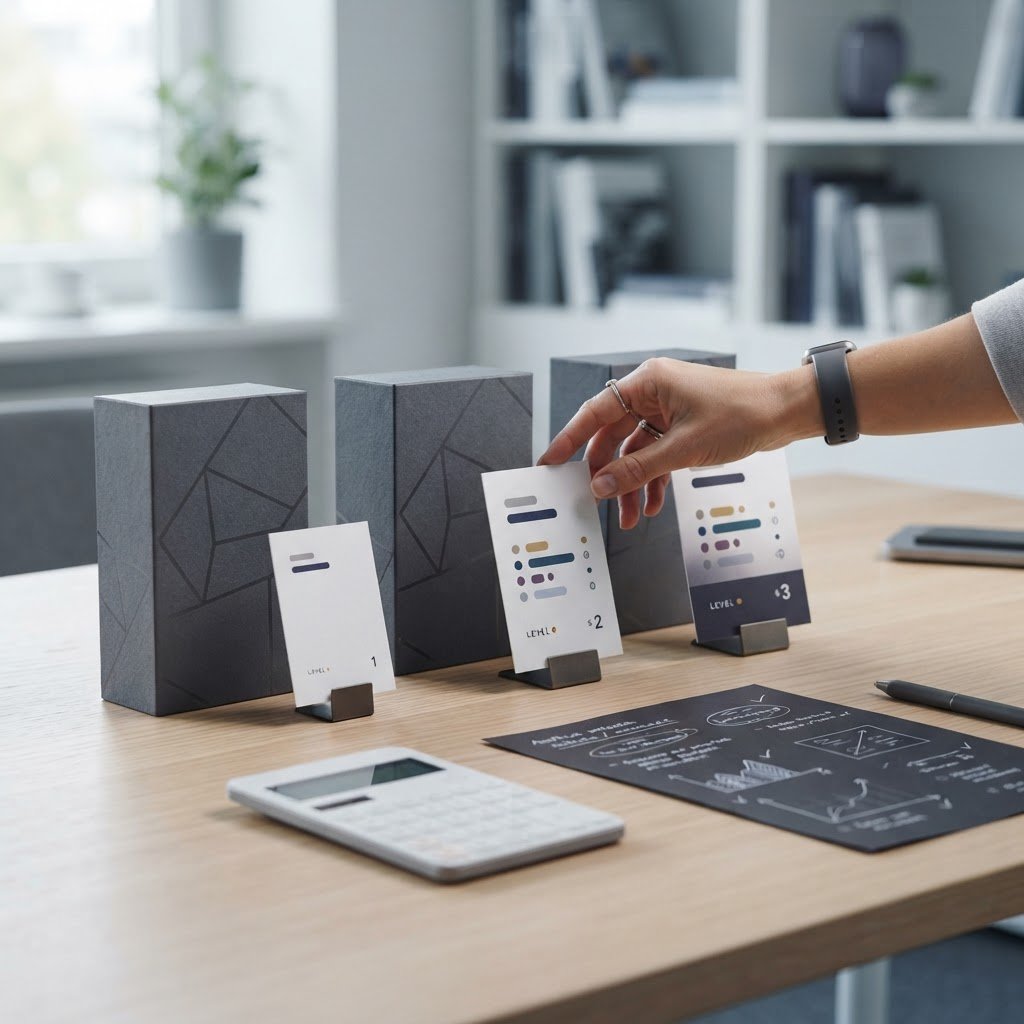
Polst lets finance teams test pricing frameworks, packaging options, and value perception directly with the people who will pay. Understand price sensitivity before you commit the number to a model.
Decisions this team can validate
- arrow_forwardTesting monthly vs annual pricing preference
- arrow_forwardGauging willingness to pay for a premium tier
- arrow_forwardValidating bundle packaging with existing customers
- arrow_forwardComparing feature-gated vs usage-based pricing models
Decision intelligence for
HR & People
The Decision Risk
Policies, benefits, and workplace changes roll out company-wide based on a small committee's read. The employees most affected are rarely asked before the decision is made.
Why Current Tools Fall Short
Annual engagement surveys are slow and backward-looking. Town halls surface the loudest voices. Neither gives people teams a fast, structured way to test how a change will land before rollout.
How Polst Changes the Outcome
Polst gives HR and people teams a direct read on employee preference before change ships. Test benefits, policies, and workplace plans with the people they affect, and roll out with evidence instead of assumption.

Decisions this team can validate
- arrow_forwardTesting benefits options before open enrollment
- arrow_forwardGauging sentiment on a return-to-office plan
- arrow_forwardValidating a new workplace policy with employees
- arrow_forwardPrioritizing learning and development investments
Decision intelligence for
Operations
The Decision Risk
Operational changes -- vendors, tools, processes, rollouts -- get decided in meetings and defended with intuition. The teams who live with the outcome are looped in after the call is made.
Why Current Tools Fall Short
Process audits describe what happened, not what people would choose. Cross-functional debates stall on opinion. There is no fast way to compare options with the people responsible for delivery.
How Polst Changes the Outcome
Polst turns operational choices into clear, comparable decisions backed by the teams responsible for delivery. Compare vendors, tools, and process changes without another cycle of subjective debate.

Decisions this team can validate
- arrow_forwardComparing vendor or tooling options with the teams using them
- arrow_forwardTesting a process change before company-wide rollout
- arrow_forwardPrioritizing operational initiatives with cross-functional input
- arrow_forwardValidating a new workflow with the people who run it
Ask before the next big decision.
Selective access is available to organizations ready to bring consequential audience decisions to Polst.
Ask first. Decide better.